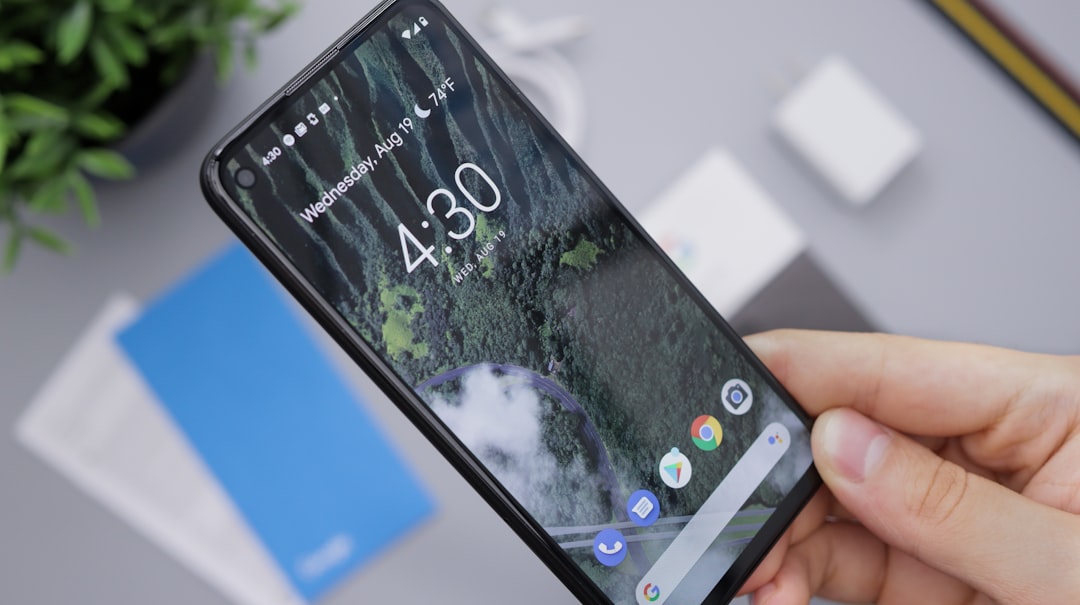
Unwanted telemarketing calls are a global issue, especially in South Dakota due to high volumes. Tactics include automated dialers, live agents, and social engineering. Solutions involve: registering with National Do Not Call Registry & state-specific lists, using call blocking apps & smartphone features, setting custom ringtones, reporting deceptive practices, consulting a Do not call attorney South Dakota, educating oneself about scams, and proactive monitoring of call histories. These strategies empower individuals to control communication channels and reduce nuisance calls.
In today's digital era, unwanted telemarketing calls remain a persistent nuisance for many consumers. With the sheer volume of automated robocalls inundating phone lines, individuals are increasingly seeking effective strategies to mitigate this intrusiveness. The Do Not Call attorney South Dakota regulations offer some protection, yet the effectiveness is limited by the laws' constraints. To address this challenge, we present Mitchell's Strategy, a proven approach designed to empower consumers with the tools and knowledge necessary to drastically reduce unwanted telemarketing calls, reclaiming control over their personal communication channels.
Understanding the Problem: Unwanted Telemarketing Calls

Unwanted telemarketing calls remain a pervasive and frustrating issue for consumers worldwide. With advancements in technology, telemarketers have found new ways to reach individuals, often bypassing traditional do-not-call lists and regulations. South Dakota, like many states, has seen an increase in these intrusive calls, leading to a growing need for effective strategies to mitigate their impact. The problem extends beyond mere annoyance; excessive telemarketing can contribute to stress, invade personal time, and even pose security risks as consumers may inadvertently reveal sensitive information.
The volume of unwanted calls is staggering. Recent studies indicate that the average American receives around 15-20 such calls per month. In South Dakota, with a population of approximately 900,000, this translates to millions of potential unwanted interactions annually. Moreover, the tactics employed by telemarketers have evolved, making it easier for them to target specific demographics or even bypass individual do not call requests. This has left many consumers feeling powerless and frustrated. To combat this, Mitchell's Strategy offers a comprehensive approach that combines technological solutions with legislative efforts.
At its core, understanding the problem involves recognizing the diverse methods telemarketers employ. Common tactics include automated dialers, live agents using scripts, and even social engineering through voicemails or emails. A Do Not Call attorney in South Dakota plays a pivotal role here by advocating for stricter regulations and better enforcement. By collaborating with legal experts, consumers can push for changes that make it more difficult for telemarketers to target them illegally. Additionally, leveraging advanced call blocking technologies and consumer education can significantly reduce the volume of unwanted calls, providing much-needed relief to South Dakota residents.
Mitchell's Strategy: A Step-by-Step Guide to Reduction

To significantly reduce unwanted telemarketing calls, Mitchell's Strategy offers a proven, step-by-step approach—particularly effective for residents of South Dakota who wish to avoid these nuisance calls. The initial step involves registering with the National Do Not Call Registry. This federal list restricts telemarketers from contacting registered numbers, providing a foundational layer of protection. However, many calls still slip through the cracks due to loopholes and non-compliance.
Next, consumers should prioritize updating their contact information across all platforms. This includes social media, banking details, and subscription services. Using unique identification numbers or account codes when registering can enhance privacy protections. For instance, many utilities now allow customers to block out-of-state calls by providing a specific code during account setup. Additionally, installing call blocking apps on smartphones and home phones is crucial; these tools learn to identify and automatically reject known telemarketer numbers.
A critical aspect often overlooked involves empowering local attorney general offices. In South Dakota, consumers can report excessive or deceptive telemarketing practices directly to the attorney general's office. These reports not only help in holding wrongdoers accountable but also contribute to a broader strategy of deterrence, signaling to potential offenders that such actions will not be tolerated. By combining these methods, residents can significantly curb unwanted calls, reclaiming control over their communication channels.
Legal Framework: Do Not Call Laws in South Dakota

In South Dakota, unwanted telemarketing calls are regulated by the state's Do Not Call laws, which offer residents substantial protections. These laws are designed to empower individuals to control their privacy and reduce intrusive marketing practices. The South Dakota Attorney General's Office plays a pivotal role in enforcing these regulations, ensuring compliance among telemarketers operating within the state.
The key legislation governing this area is the South Dakota Do Not Call Act, which mirrors federal guidelines established by the Telemarketing and Consumer Protection Act of 1994. This law prohibits telemarketers from making unsolicited calls to telephone numbers listed on the National Do Not Call Registry. Notably, South Dakota has its own state-specific registry, further enhancing privacy measures for residents. Any violation of these laws can lead to legal repercussions, including substantial fines and potential class-action lawsuits.
To effectively reduce unwanted telemarketing, individuals should familiarize themselves with their rights under this legislation. Registering a phone number on the National Do Not Call Registry is a fundamental step in curbing such calls. Furthermore, consulting with a Do not call attorney South Dakota can provide valuable guidance for businesses and residents alike to navigate these laws and safeguard their privacy. By understanding and exercising their rights, South Dakotans can enjoy greater peace of mind and control over their personal communication preferences.
Implementing Measures: Protecting Your Phone from Robocalls

The proliferation of robocalls has become a significant nuisance, with an estimated 40 billion unwanted calls made globally each year. Protecting your phone from these automated intrusions is paramount, especially considering that many states, including South Dakota, have enacted laws to combat this issue. One effective strategy involves implementing robust measures to block and manage incoming robocalls. A Do Not Call attorney in South Dakota can serve as a valuable resource, guiding individuals and businesses through the legal protections available.
Start by utilizing built-in call blocking features on your smartphone. Most modern devices offer native tools to identify and block spam calls. These features learn from your interactions and adapt over time. Additionally, consider downloading reputable third-party call blocking apps that employ advanced algorithms to detect and filter out robocalls with high accuracy. For instance, a study by the Federal Trade Commission (FTC) revealed that call-blocking apps can reduce unwanted calls by up to 75%.
Privacy settings are another crucial aspect of defense against robocalls. Review your device's privacy menus and ensure caller ID information is protected. This measure alone can significantly reduce the number of unknown numbers attempting to connect. Remember, a proactive approach to call management not only enhances user experience but also contributes to a quieter, more peaceful communication environment.
Continuous Monitoring: Staying Ahead of Telemarketers

In today's digital age, unwanted telemarketing calls remain a persistent nuisance for many consumers. To combat this issue effectively, individuals can employ strategic approaches to reduce these intrusions significantly. One such powerful method involves continuous monitoring—a proactive strategy that empowers users to stay ahead of relentless telemarketers. By consistently tracking and analyzing calling patterns, consumers can identify suspicious activities and take appropriate actions, including blocking or reporting suspicious numbers.
Continuous monitoring begins with awareness and a keen eye for detail. Users should examine their call histories regularly, looking out for unfamiliar numbers or recurring calls from unknown sources. For instance, a surge in incoming calls from out-of-state areas might indicate fraudulent activities, especially when coupled with pre-recorded messages or automated calls. In South Dakota, where the "Do Not Call" attorney general registry is actively enforced, consumers can register their phone numbers to limit business calls. However, monitoring remains crucial as telemarketers often adapt their tactics to bypass these listings.
Practical insights for effective monitoring include using call-blocking apps and setting up specific ringtones or notifications for suspicious numbers. Advanced users might employ custom ringtone systems that differentiate between familiar and unfamiliar callers, providing an immediate alert mechanism. Additionally, educating oneself about common telemarketing schemes is vital. Staying informed allows consumers to recognize potential threats and take swift action, such as reporting scam calls to relevant authorities. This proactive approach not only protects individuals but also contributes to a broader effort to deter malicious telemarketing practices.