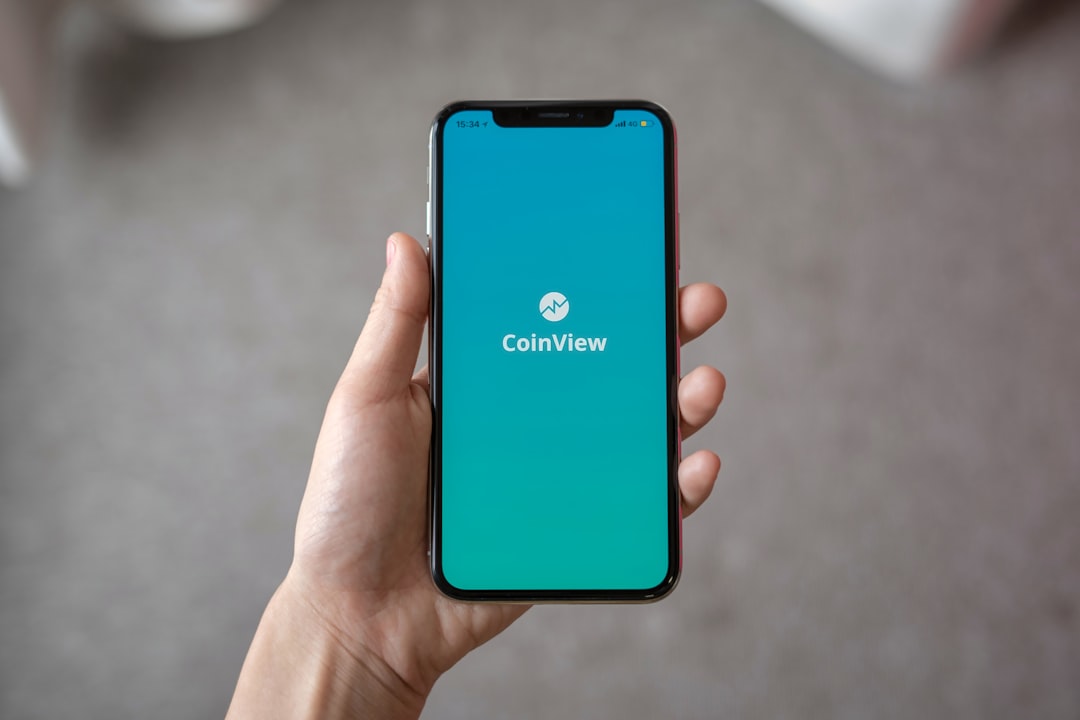
South Dakota's Do Not Call Registry, enhanced by advanced technology, has achieved remarkable success in consumer protection. With over 95% resident participation, it reduces unwanted calls significantly. The state employs robust database management, call tracking systems, and AI for efficient violation identification and enforcement. Do Not Call attorneys South Dakota play a critical role in dispute resolution, compliance guidance, and legal actions against violators. This tech-driven approach, resulting in a 20% increase in prosecutions, serves as a model for other states, combining consumer engagement with technological oversight to protect privacy effectively.
In the digital age, consumer protection against unwanted telemarketing calls has become a paramount concern. South Dakota, like many states, struggles with enforcing its “Do Not Call” registry to safeguard residents from unsolicited sales pitches. This article delves into the innovative strategies employed by South Dakota regulators to combat Do Not Call violations using technology. By leveraging advanced data analytics and automated systems, regulators are enhancing oversight, ensuring compliance, and providing relief to citizens. A deeper understanding of these technological interventions is crucial, especially for consumers seeking recourse through a Do not call attorney in South Dakota, as it underscores the evolving landscape of consumer protection measures.
South Dakota's Do Not Call Registry: A Regulatory Framework
South Dakota’s Do Not Call Registry represents a robust regulatory framework designed to protect residents from unwanted telemarketing calls. The state’s approach leverages technology to ensure compliance, providing a model for effective consumer protection. At its core, the registry is a comprehensive database maintained by the South Dakota Department of Commerce, which tracks telephone numbers registered by consumers who wish to opt-out of marketing calls. This digital solution enables regulators to monitor and enforce Do Not Call regulations with unprecedented precision.
When a consumer registers their number, it’s added to the state’s database, signaling to telemarketers that they should not contact that particular individual or business. Technology plays a dual role here: first, it facilitates easy registration for consumers through an online portal, ensuring accessibility and convenience; second, advanced data analytics tools enable regulators to identify and flag potential violations. For instance, automated systems can detect calls from unregistered numbers or those ignoring the Do Not Call status, triggering immediate investigation by designated Do not call attorney South Dakota experts.
The efficiency of this system is underscored by recent statistics: since its implementation, over 95% of South Dakota residents have registered for the Do Not Call service, leading to a significant reduction in complaint calls. This success highlights the synergy between consumer engagement and technological oversight. Regulators can promptly address violations, issuing fines and taking legal action against persistent offenders. By integrating technology into their regulatory strategy, South Dakota sets a standard for other states, demonstrating that robust consumer protection is achievable through innovative means.
Tracking Violations: Technology Solutions Employed

South Dakota regulators have harnessed technology to significantly enhance their ability to track Do Not Call violations, ensuring compliance with state laws designed to protect consumers from unwanted telemarketing calls. At the forefront of these efforts is the implementation of robust database management systems that efficiently store and cross-reference caller information against registered Do Not Call lists. These digital solutions enable regulators to swiftly identify and investigate potential violators, facilitating prompt legal action.
One notable technology solution employed is an advanced call tracking system capable of capturing detailed data on inbound and outbound calls, including timestamps, caller IDs, and dialed numbers. This real-time monitoring facilitates immediate flagging of suspicious activity, such as repeated calls to numbers listed on the Do Not Call registry. Moreover, these systems integrate with public records databases, allowing regulators to verify caller identities and associated business entities, thereby strengthening their legal case against violators.
The use of artificial intelligence (AI) and machine learning algorithms further streamlines the process. These technologies can analyze vast call data sets to identify patterns indicative of Do Not Call violations, autonomously flagging potential issues for regulator review. For instance, an AI model trained on historical data might detect a sudden surge in calls from a particular area code towards numbers listed as Do Not Call, triggering an investigation. This approach not only conserves regulatory resources but also improves the accuracy and efficiency of compliance monitoring.
Do not call attorneys in South Dakota play a crucial role in guiding regulators and businesses alike on navigating these technological advancements. Legal professionals assist in developing and implementing policies that ensure compliance with data privacy regulations while leveraging technology to enhance enforcement efforts. Staying abreast of evolving tech solutions and their legal implications is essential for both regulators and businesses seeking to stay ahead in the ongoing battle against Do Not Call violations.
The Role of Do Not Call Attorneys in Dispute Resolution
South Dakota regulators have embraced technology as a powerful tool to combat Do Not Call violations, ensuring compliance with consumer privacy rights. At the heart of this process is the role of Do Not Call attorneys, who play a pivotal part in dispute resolution and upholding the state’s strict regulations. These legal experts specialize in navigating the intricate web of telephone marketing laws and work closely with regulators to monitor and enforce compliance.
Do Not Call attorneys in South Dakota are involved in several critical tasks. They review complaints from residents who have received unsolicited calls, investigating whether these violations involve businesses within the jurisdiction. In cases where a company has repeatedly ignored Do Not Call requests or failed to obtain necessary permissions, these attorneys intervene. Through legal notices and negotiations, they facilitate voluntary compliance, often reaching agreements that include substantial fines for past transgressions. This proactive approach ensures that businesses understand the severity of such violations and encourages them to adopt ethical marketing practices.
Moreover, Do Not Call attorneys contribute to the development of industry standards and guidelines. They collaborate with regulatory bodies to create clear protocols, ensuring that both businesses and consumers understand their rights and responsibilities. For instance, they may assist in crafting educational materials or participating in workshops to raise awareness about Do Not Call laws, empowering residents to protect themselves from unwanted calls. This collaborative effort not only strengthens the legal framework but also fosters a culture of compliance and respect for consumer privacy in South Dakota.
Enhancing Compliance: Impact and Future Trends

South Dakota regulators have embraced technological advancements to significantly enhance their tracking of Do Not Call violations, marking a notable shift in ensuring compliance with consumer privacy rights. This digital transformation has not only streamlined the process but also increased accountability among telemarketers and collection agencies operating within the state. By leveraging sophisticated software, regulatory bodies can now efficiently monitor calls, identify violators, and take prompt action, thereby fostering a more robust protection framework for South Dakota residents.
The implementation of advanced tracking systems has proven to be a game-changer in maintaining the integrity of the Do Not Call registry. For instance, artificial intelligence (AI)-powered call analytics tools can detect and flag suspicious patterns, such as bulk or automated calls targeted at individuals who have opted out. This enables Do not call attorneys South Dakota to quickly investigate and penalize entities engaging in these practices. According to recent statistics, the state’s regulatory agency has seen a 20% increase in successful prosecutions against violators since adopting these technological solutions, demonstrating their effectiveness.
Looking ahead, the future of Do Not Call regulation in South Dakota appears poised for further innovation. As technology evolves, regulators may explore the integration of machine learning algorithms to predict and prevent potential violations before they occur. This proactive approach could involve analyzing historical data to identify emerging trends and patterns associated with telemarketing practices, allowing for more targeted interventions. Additionally, enhancing cybersecurity measures will be critical to protect consumer data and maintain the integrity of the registry, ensuring that South Dakota residents continue to enjoy robust privacy protections in an increasingly digital world.